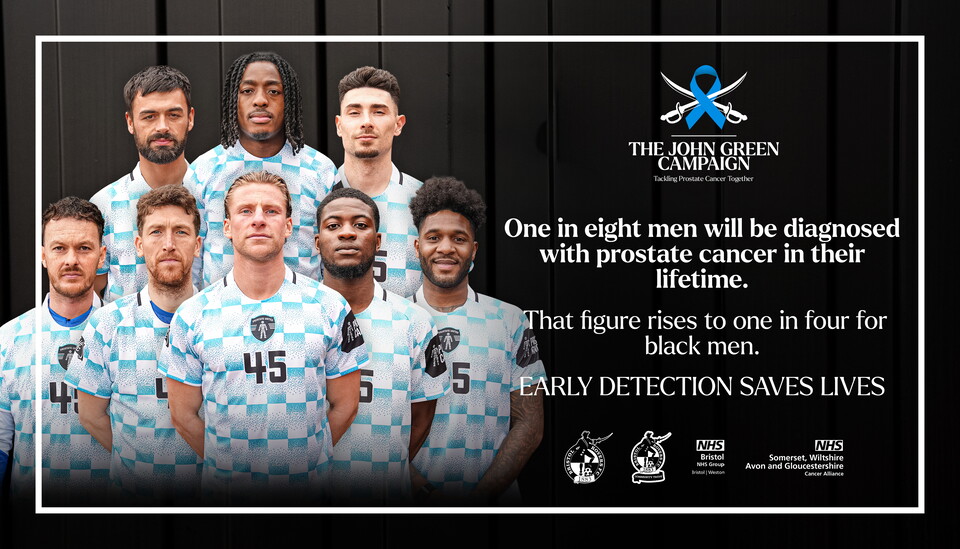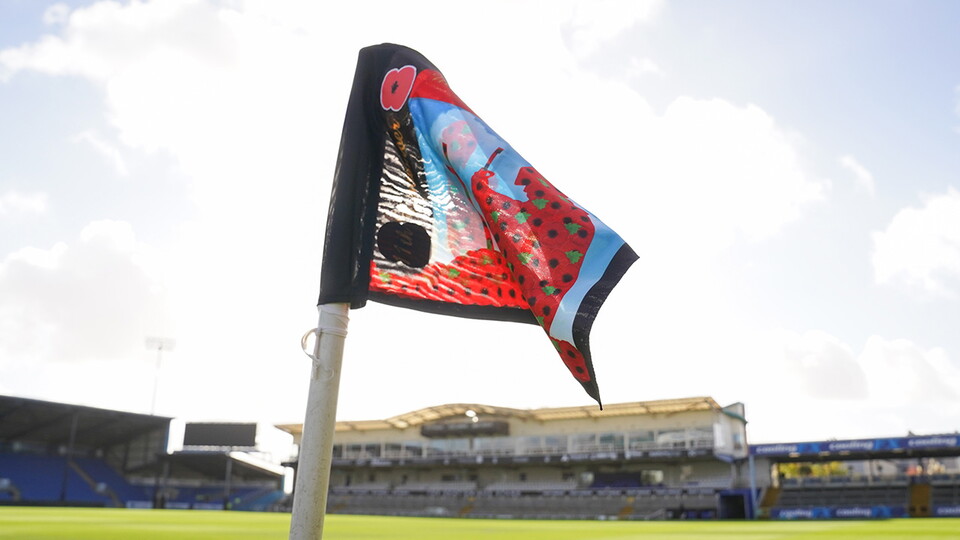
The Memorial Stadium clapped, cheered and stood as one in support of prostate cancer awareness as part of The John Green Campaign on Saturday.
Bristol Rovers’ home clash with Accrington Stanley saw the culmination of the month-long initiative, named in honour of lifelong Gashead John Green, who was diagnosed with stage four prostate cancer in 2024.
Since his diagnosis, John has relentlessly pushed for greater visibility of information material about prostate cancer risk across Bristol and the English Football League. His passion and commitment to helping his fellow men directly led to the creation of the campaign in his name, which was put together by Bristol Rovers Football Club, Bristol Rovers Community Trust, Bristol NHS Group and Somerset, Wiltshire, Avon and Gloucestershire (SWAG) Cancer Alliance.
Throughout March, the combined efforts of the four organisations has led to an increased awareness of prostate cancer, capped by a highly successful information evening held at The Memorial Stadium last week. This was hosted by Geoff Twentyman and featured a panel including Rovers legend Lee Mansell, Consultant Urological Surgeon Professor Jonathan Aning, and support worker mentor and ambassador Lloyd George Russell.
CHECK OUT PHOTOS FROM OUR DEDICATED JOHN GREEN FIXTURE IN THE GALLERY HERE!
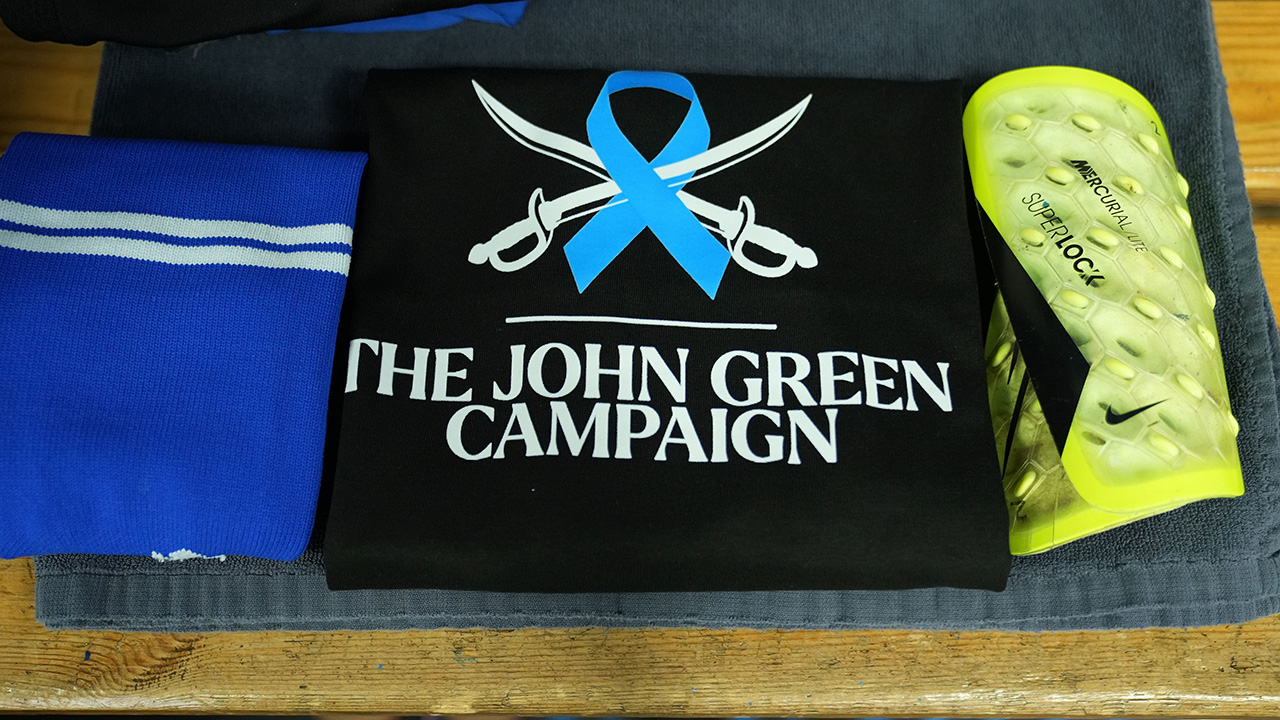
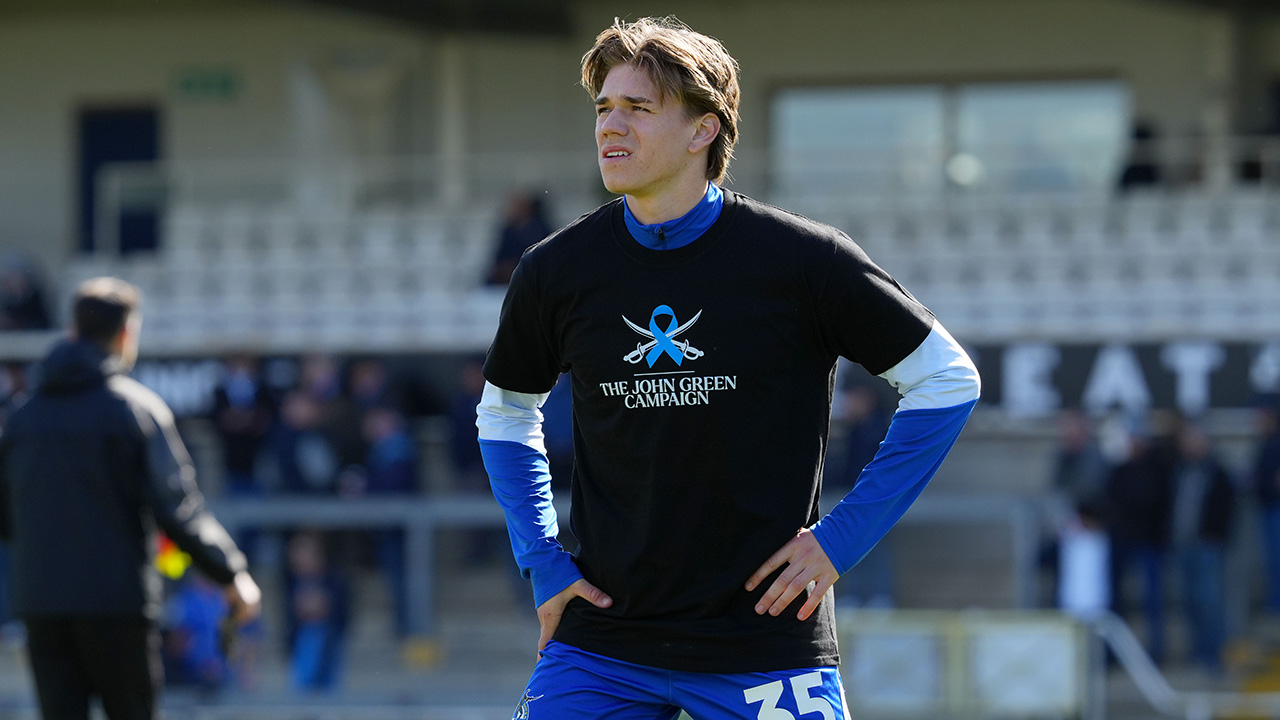

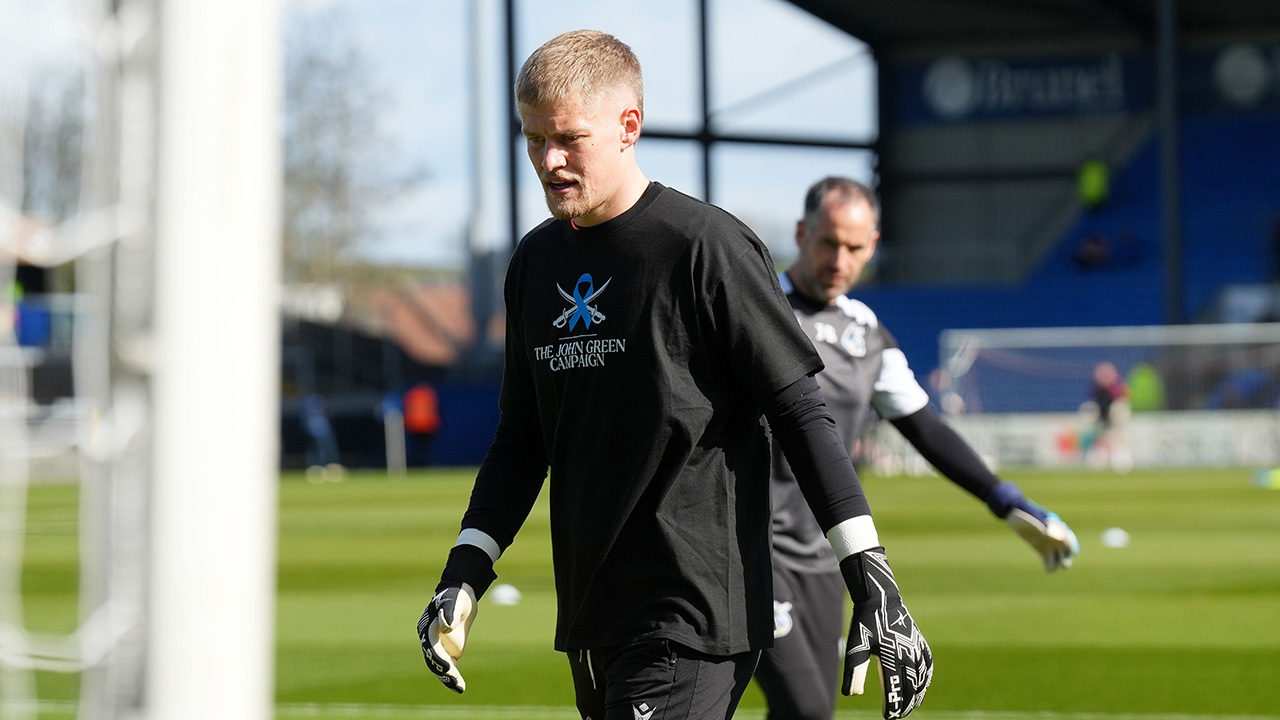
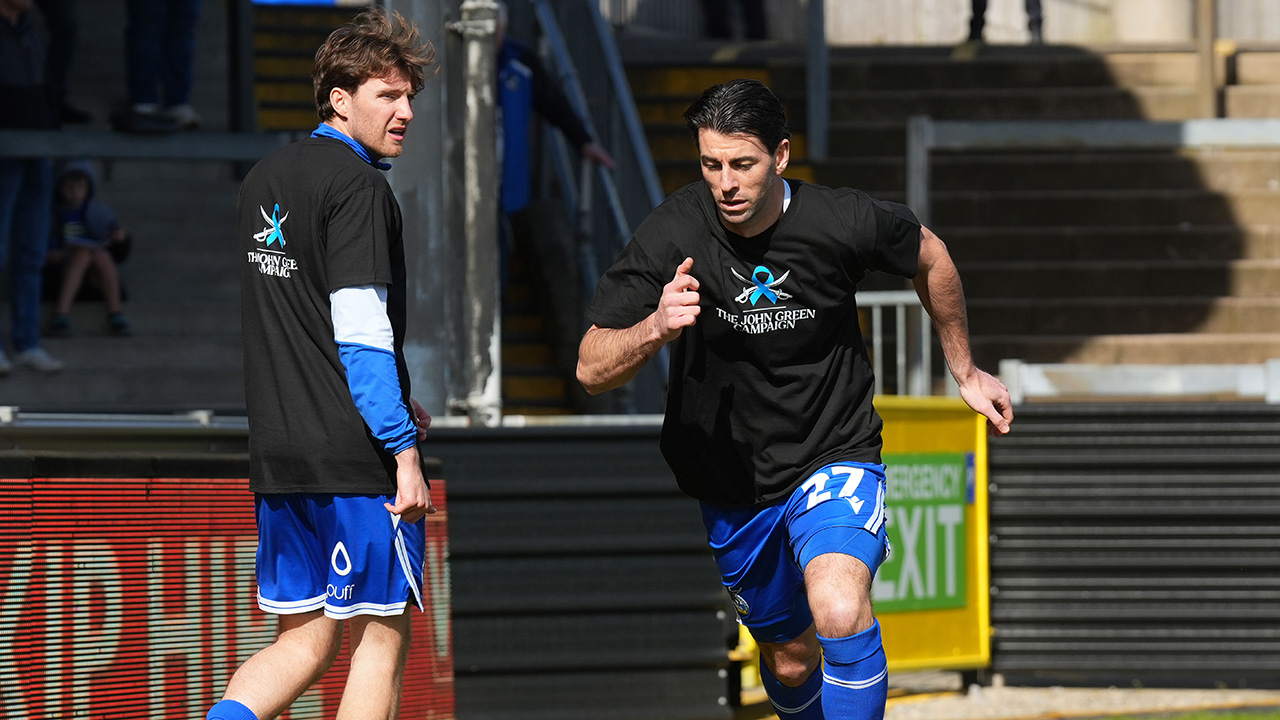
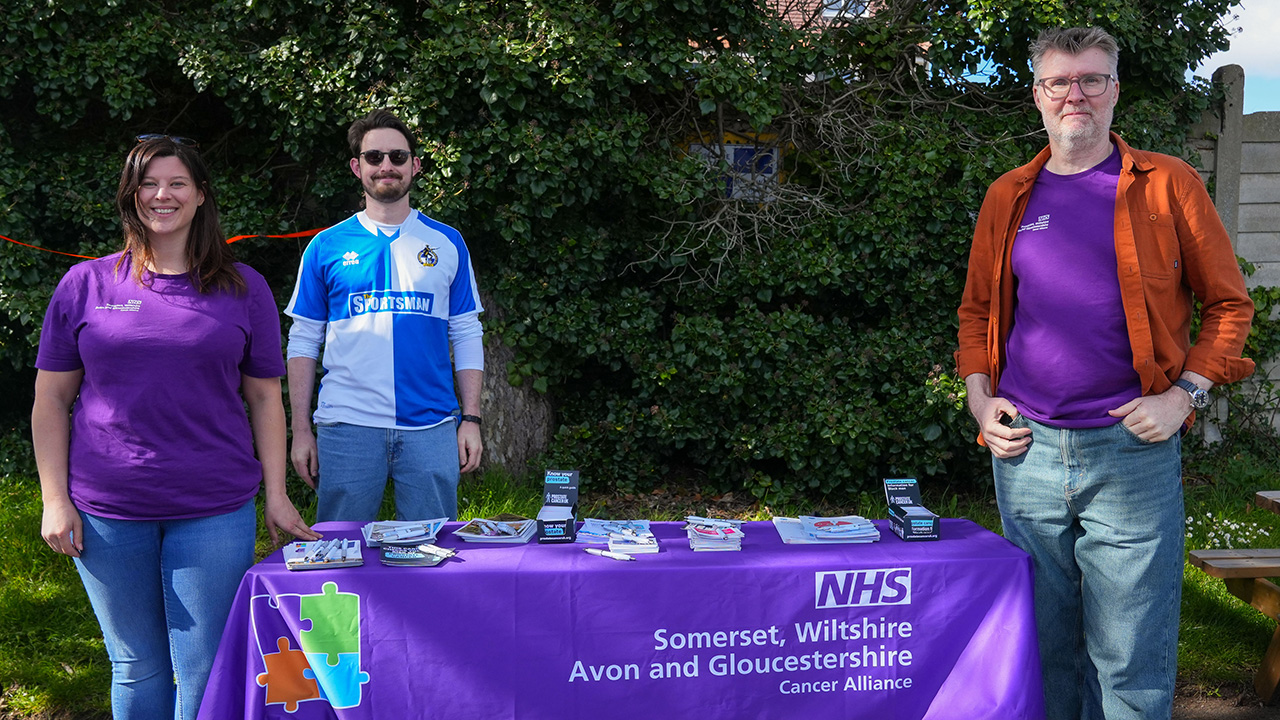
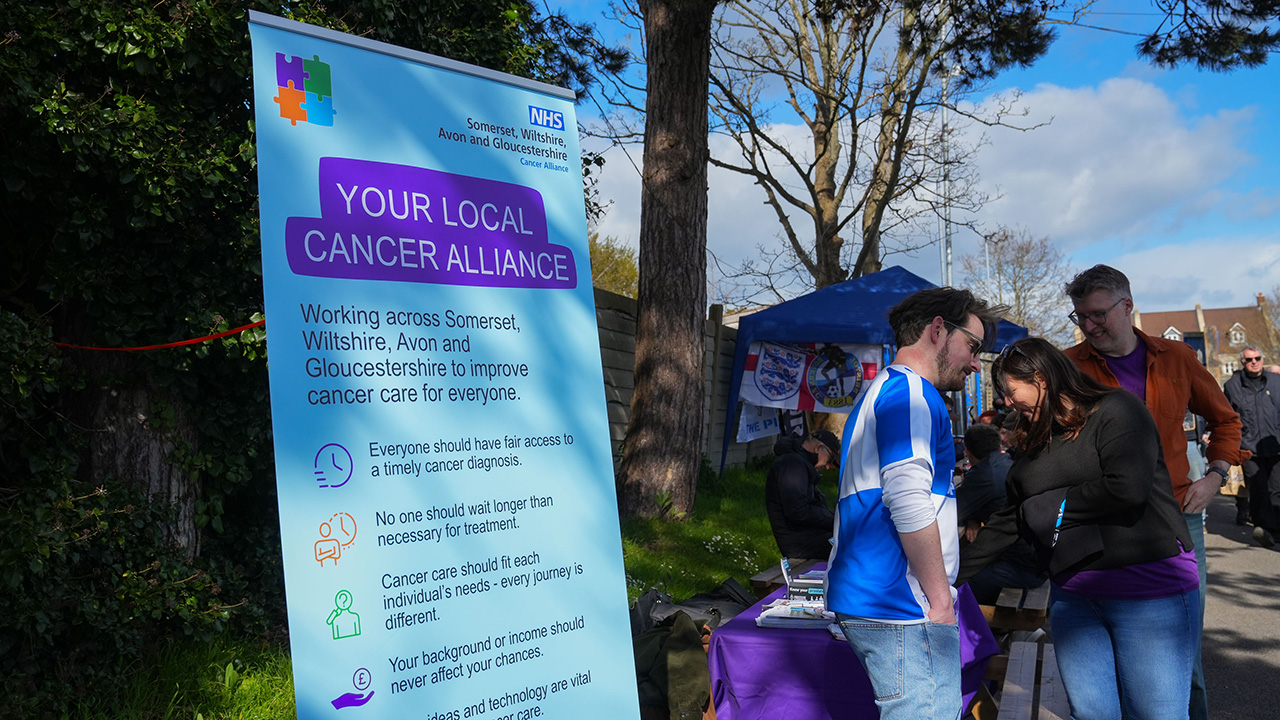
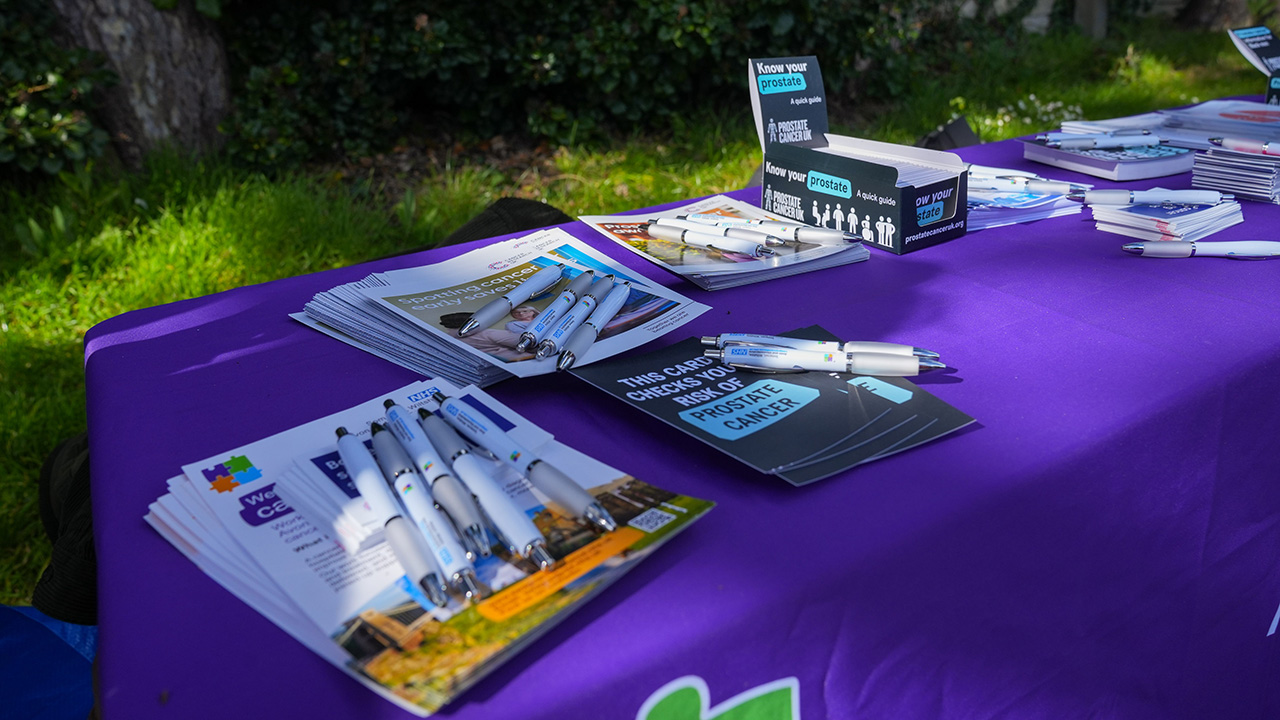
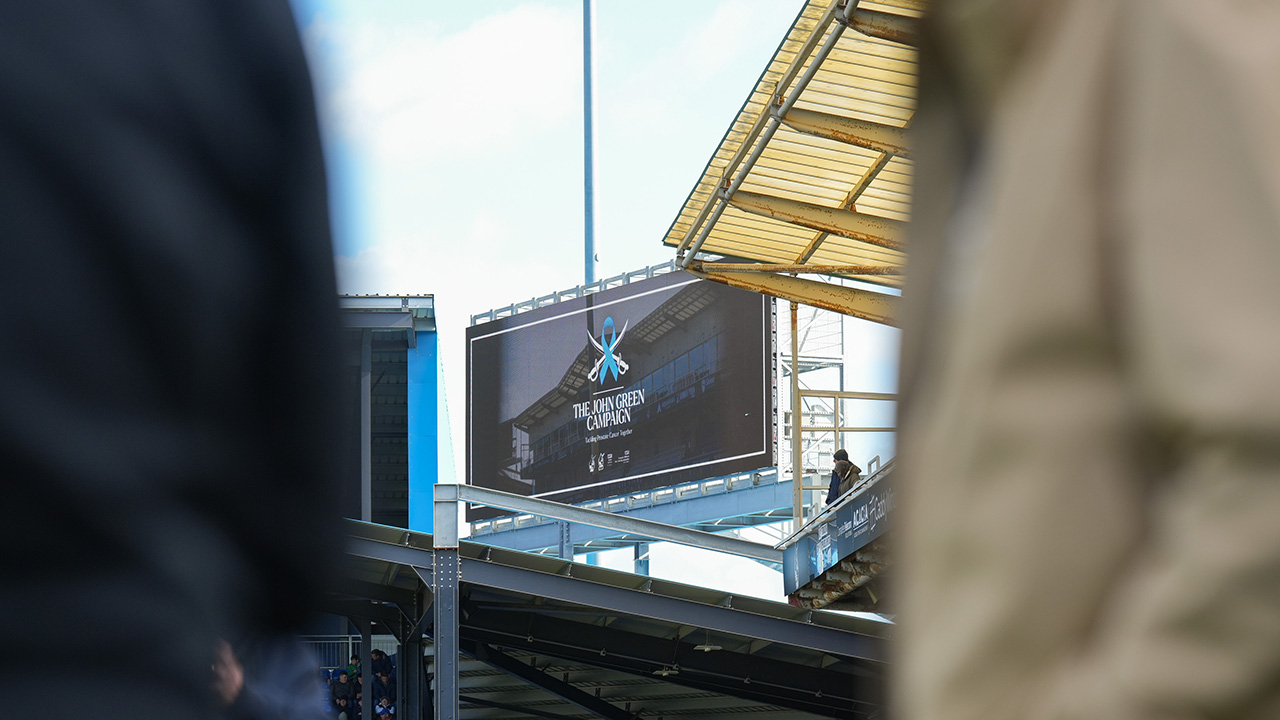
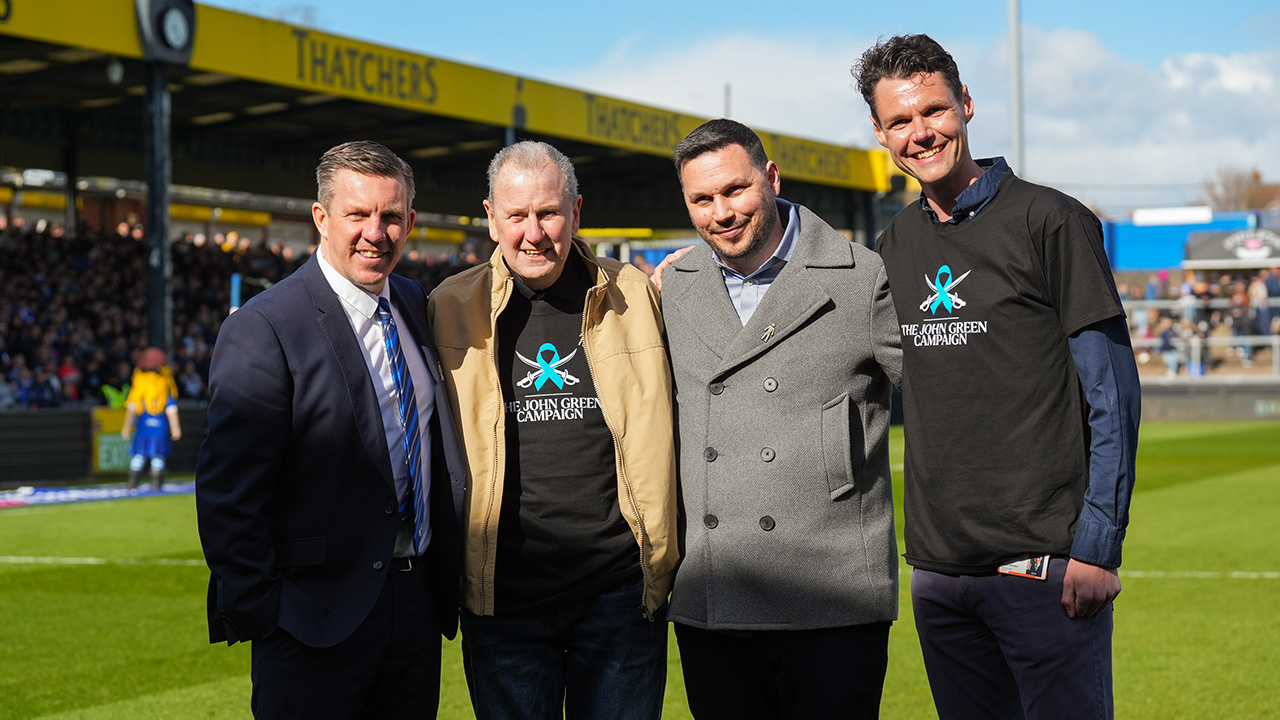
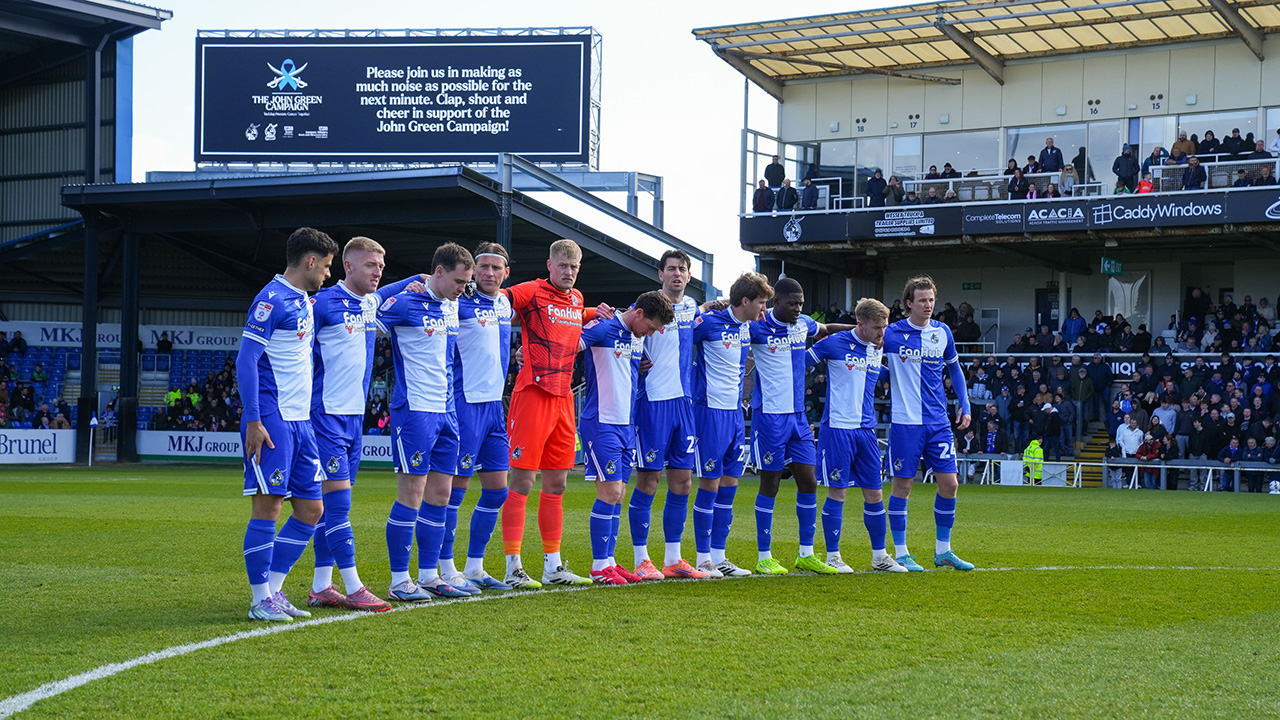
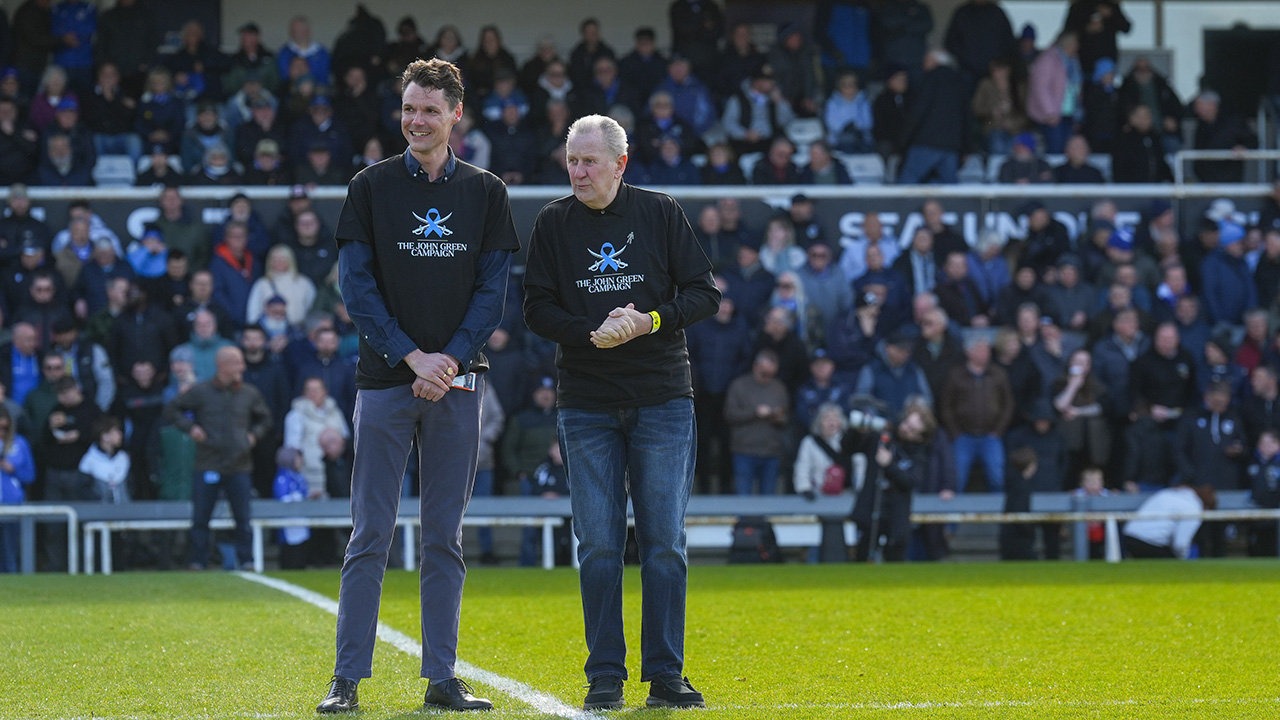
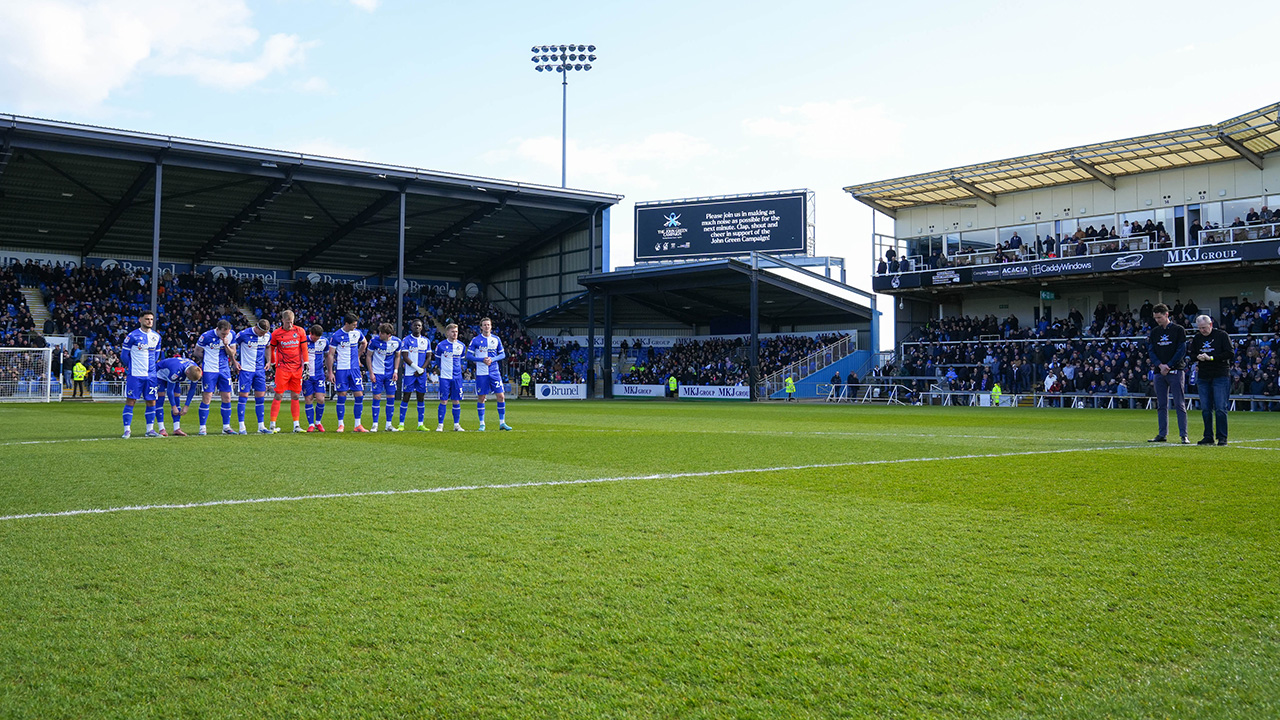
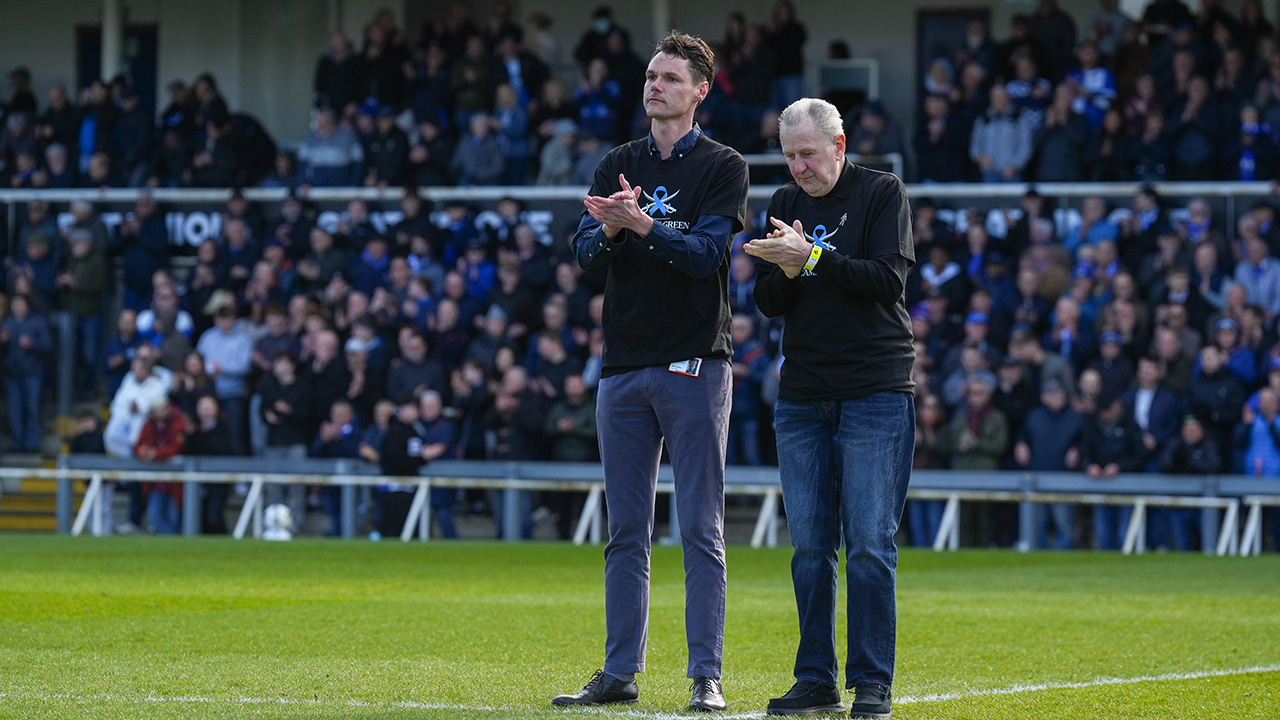
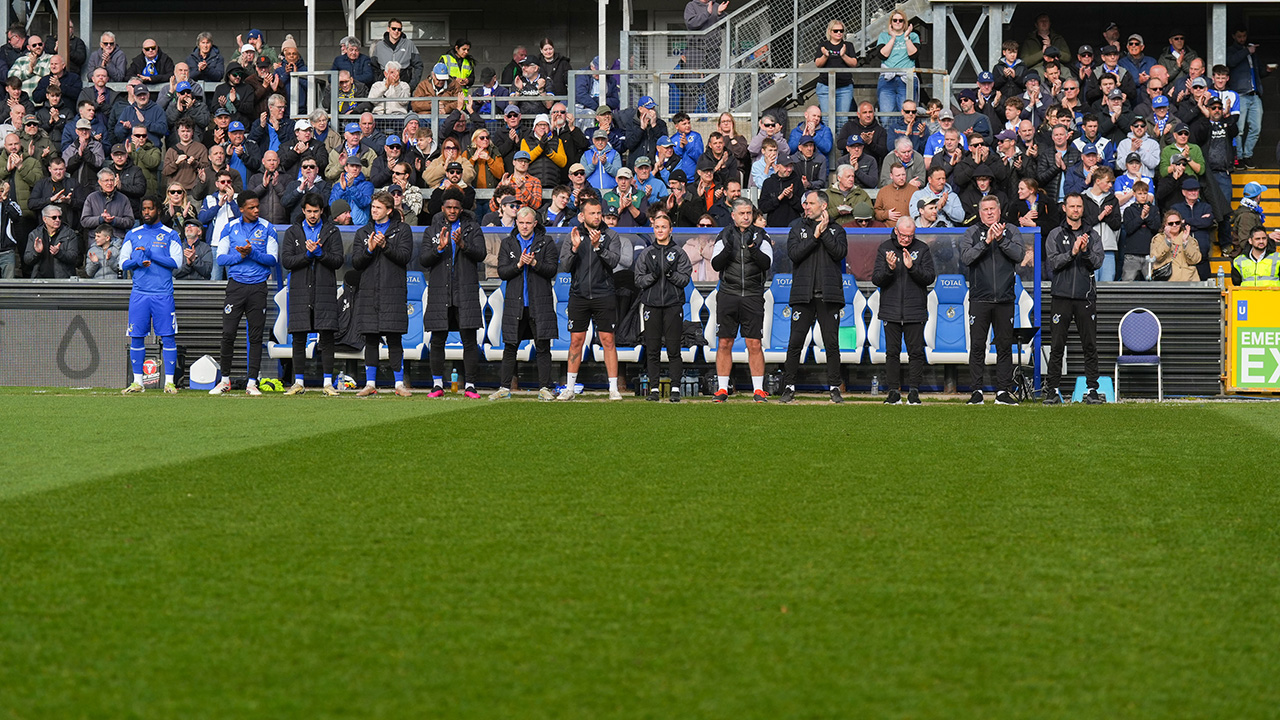
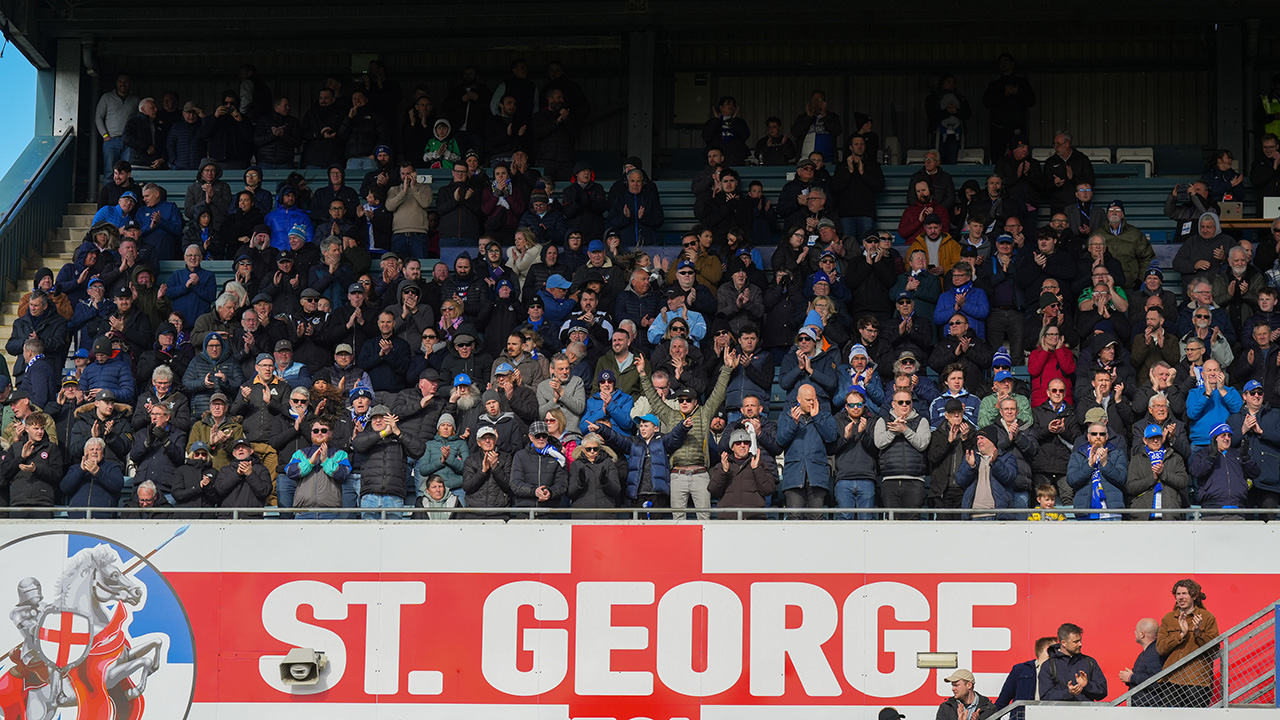
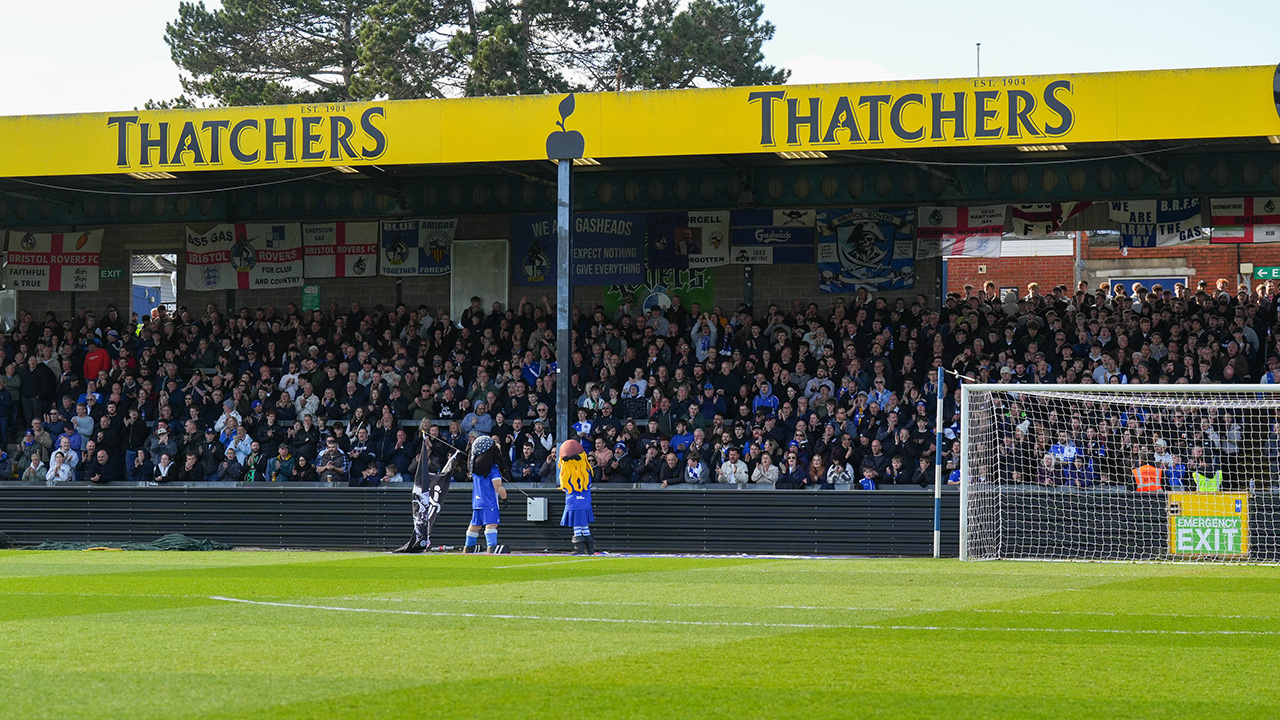
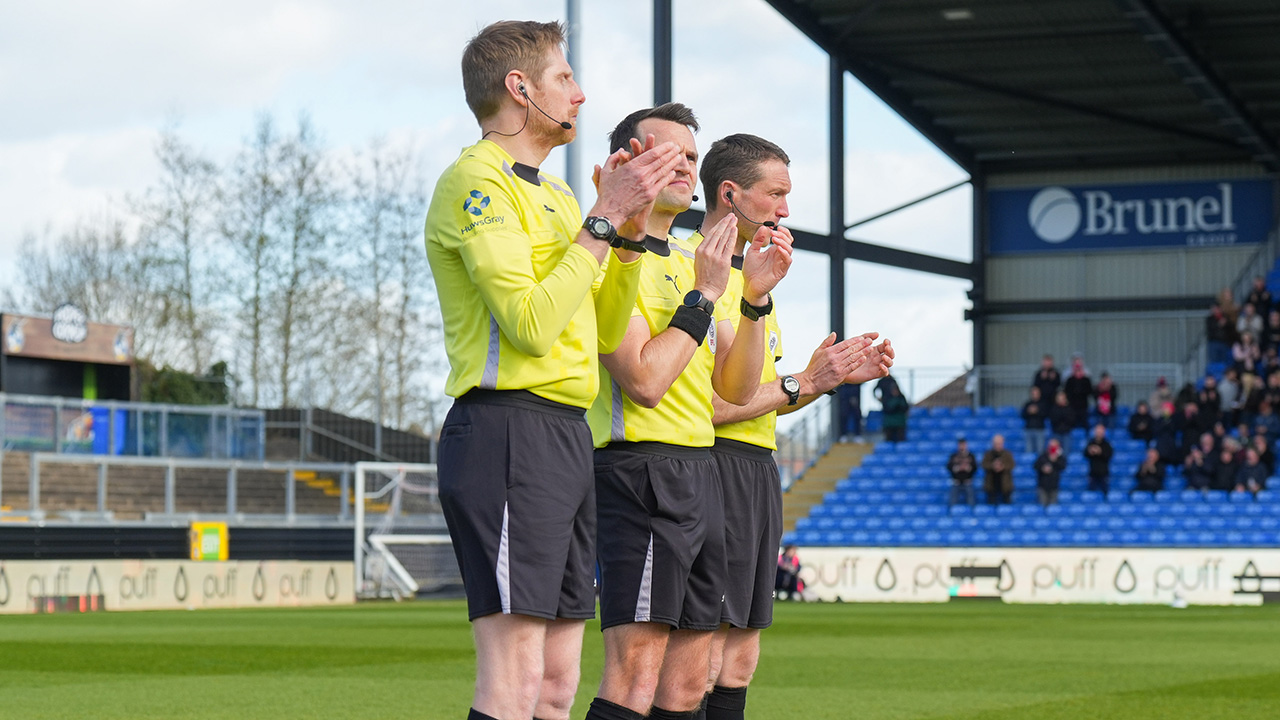
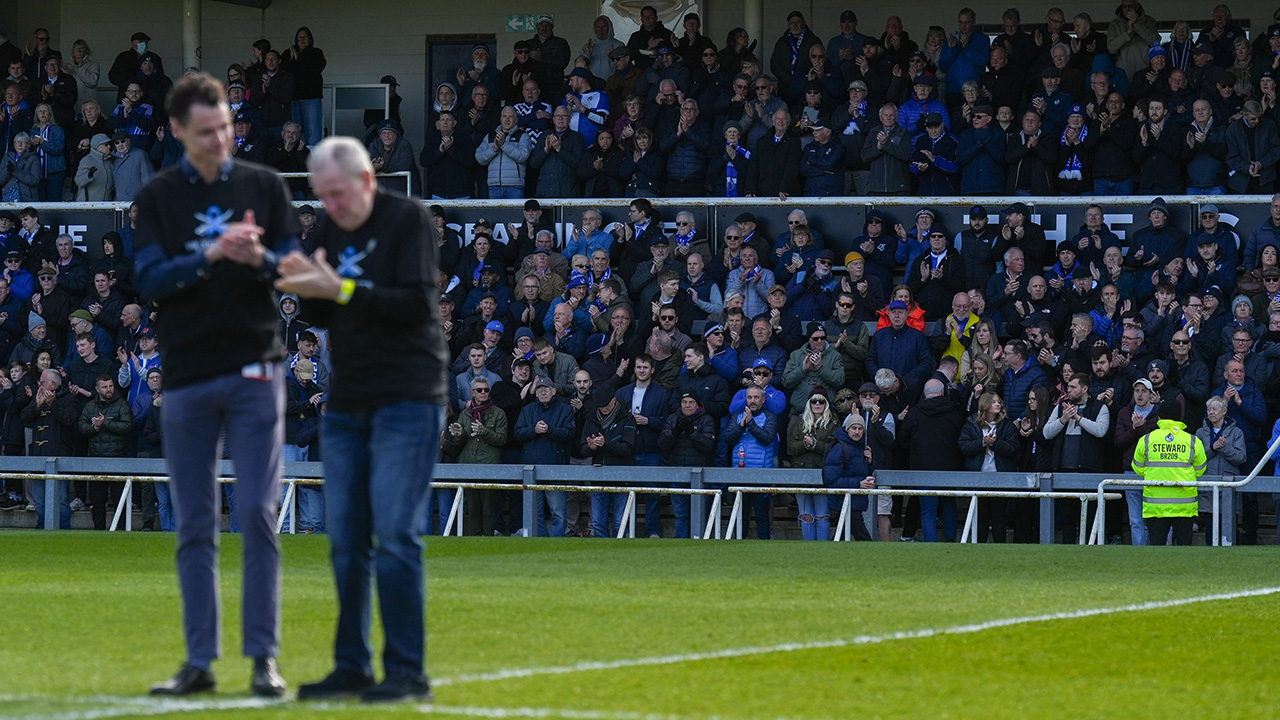
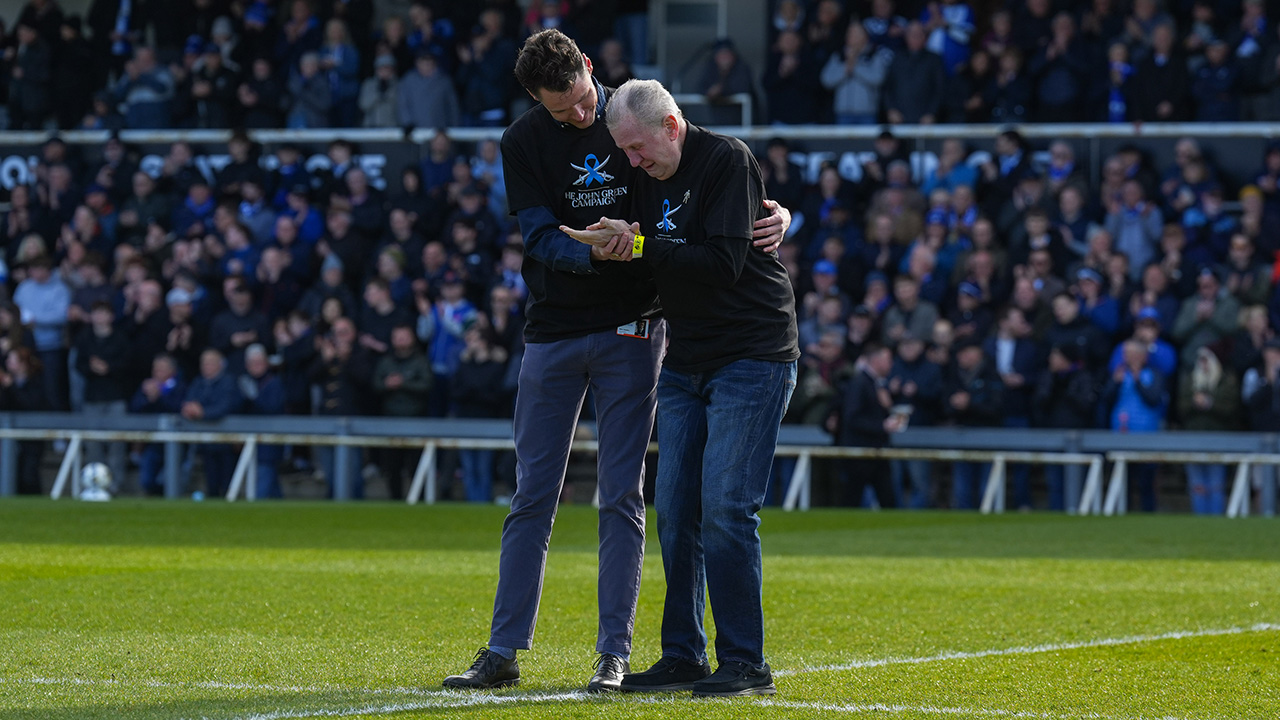
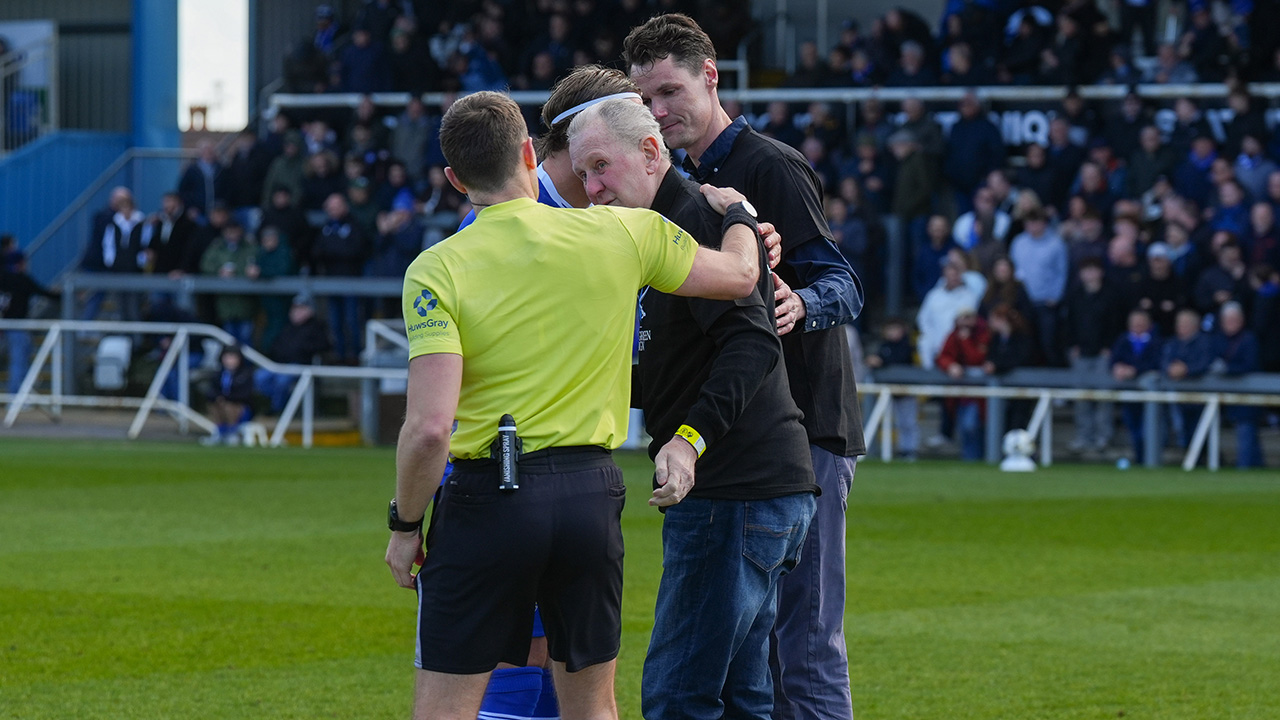

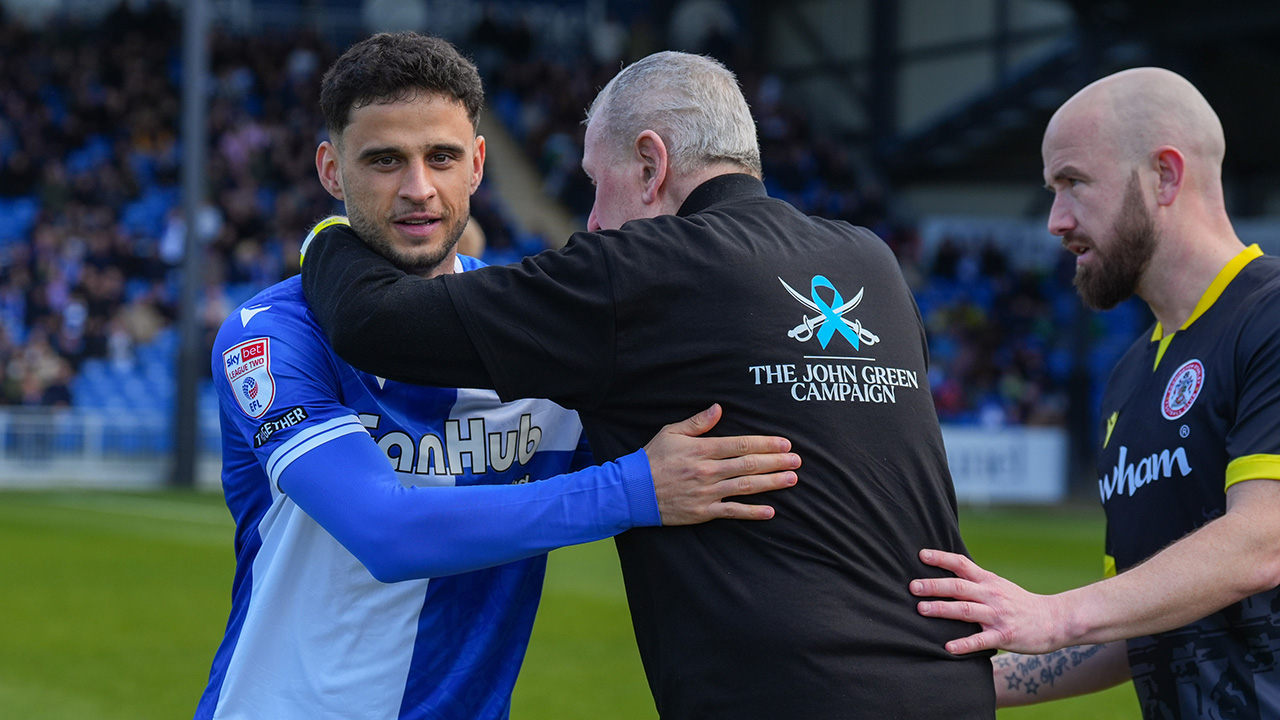
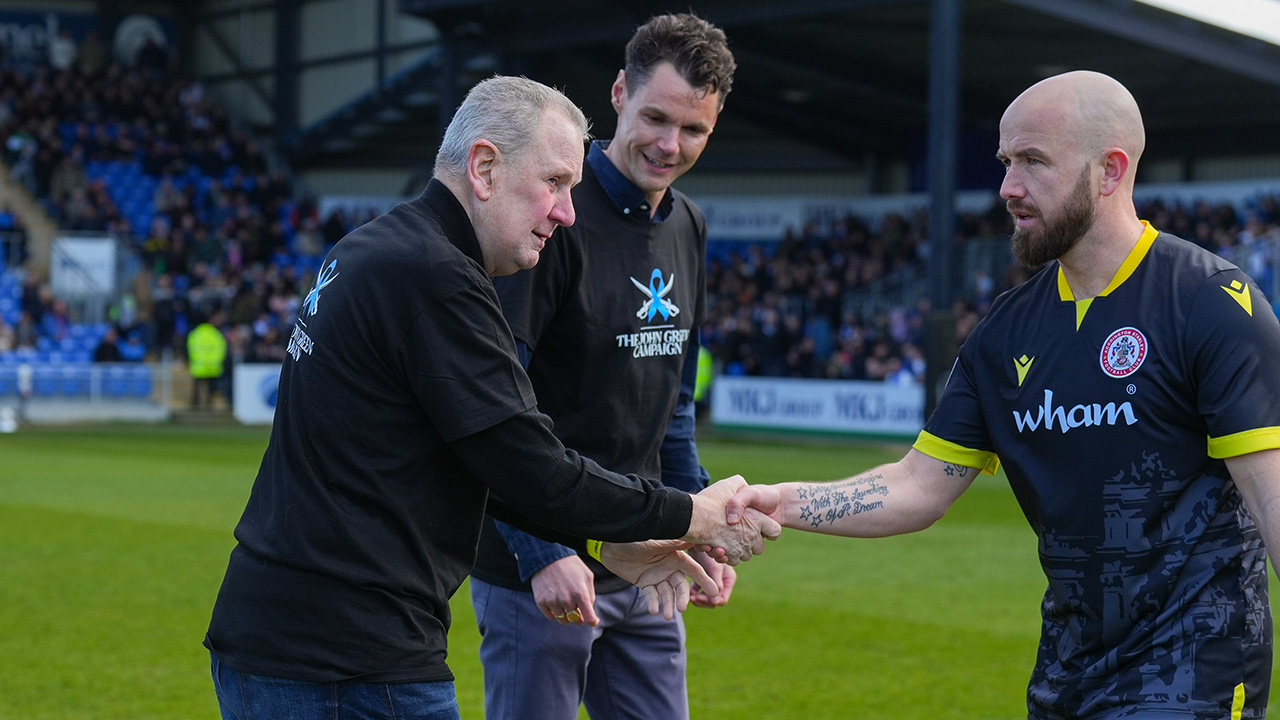
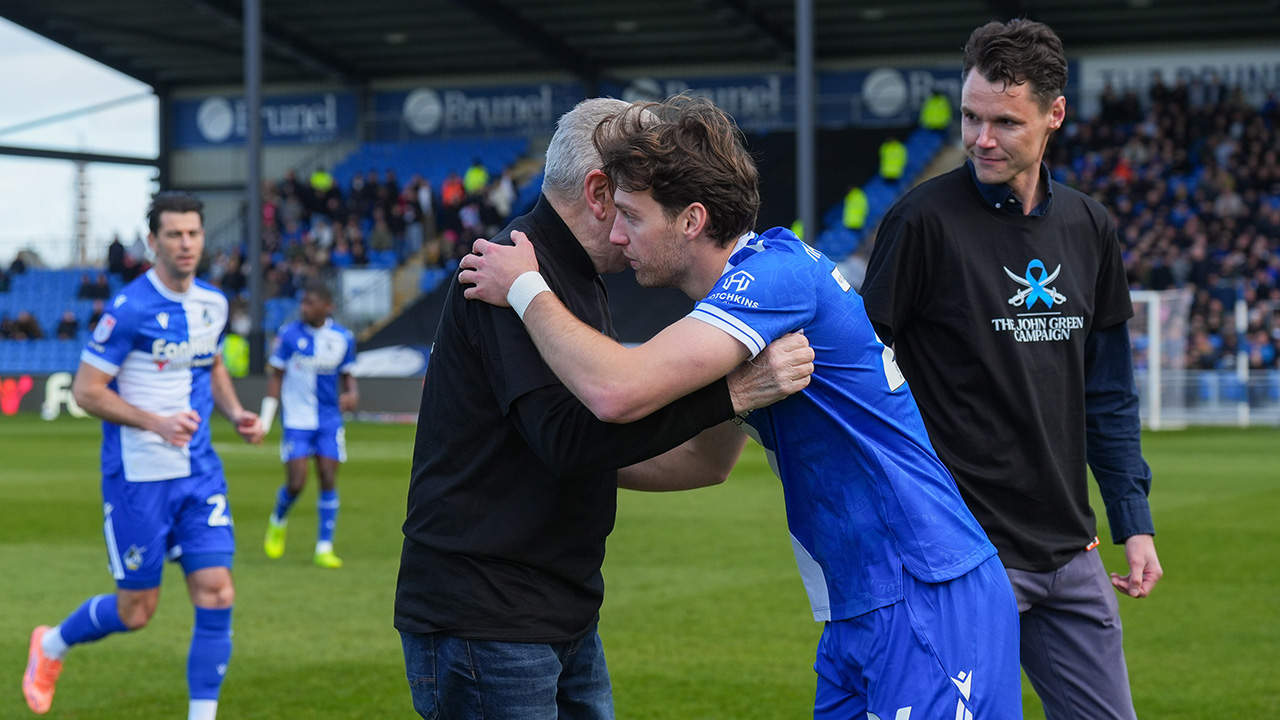
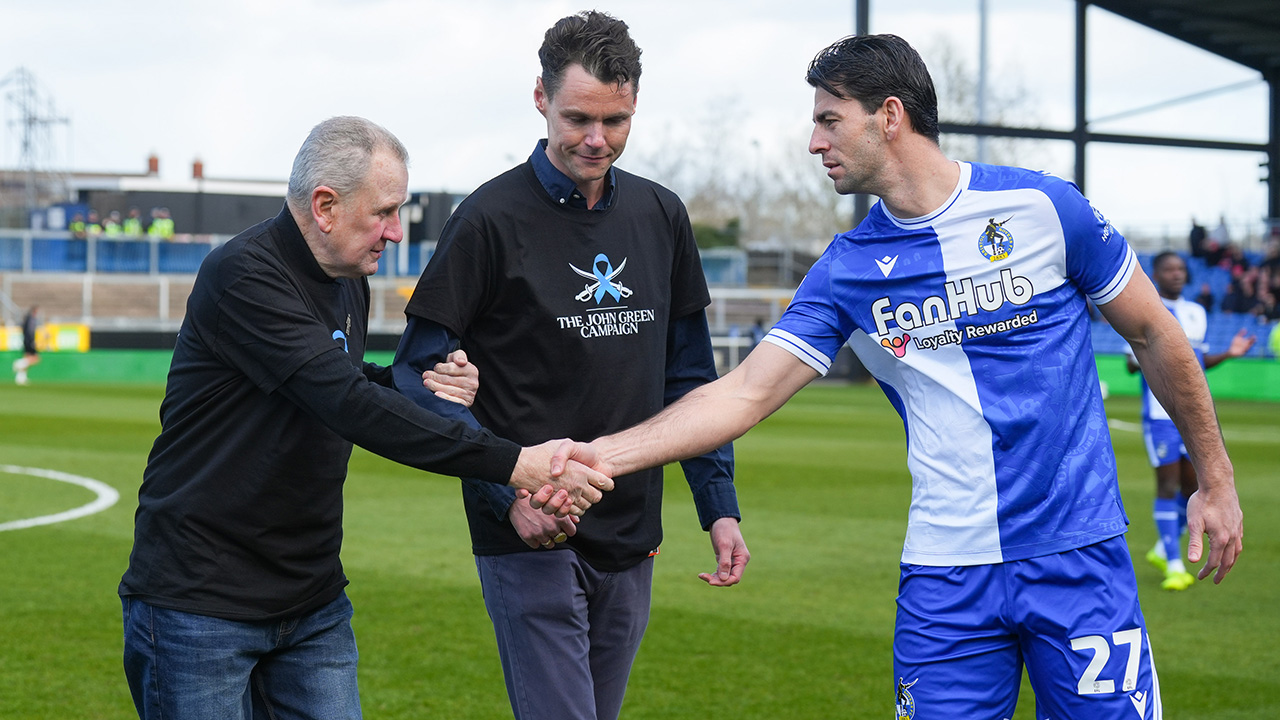
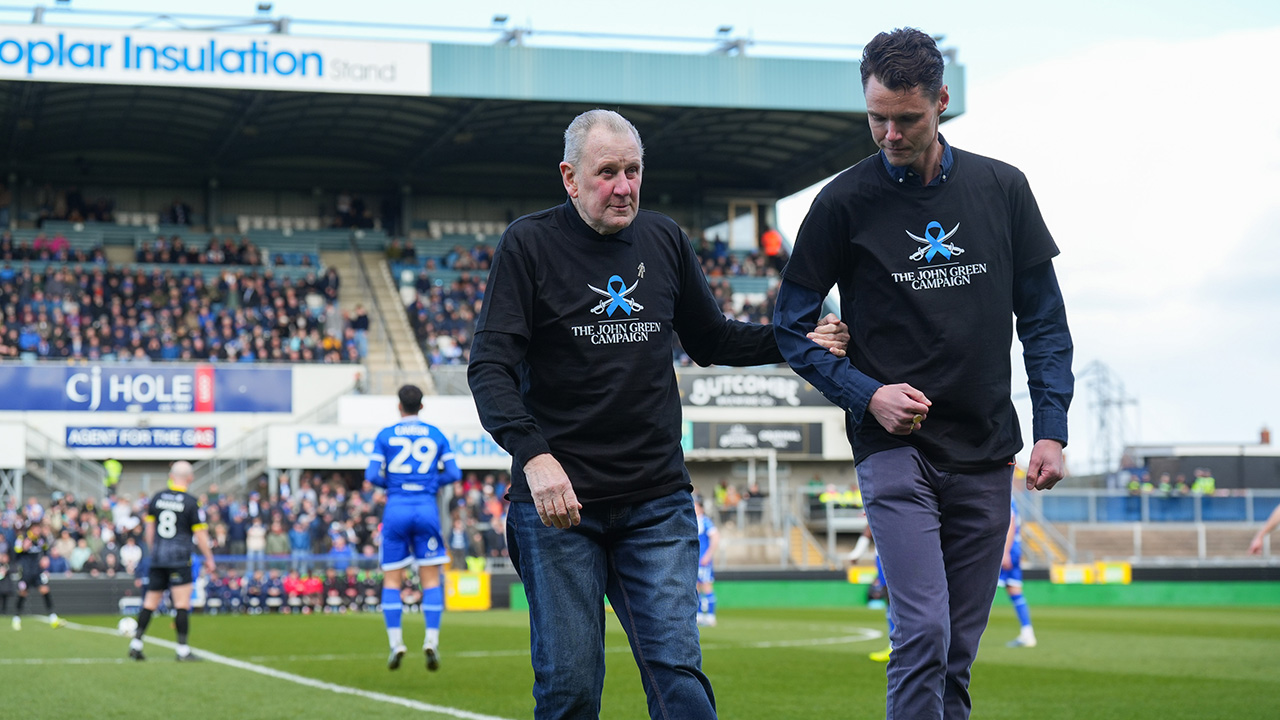

The dedicated matchday saw representatives from the SWAG Cancer Alliance offer key information regarding prostate cancer risk and treatment to supporters in attendance, while educational graphics and videos played throughout the fixture in the Fanzone and on the stadium screens.
The men’s first team showed their support for The John Green Campaign too, wearing specially-made shirts throughout their pre-match warm-ups before gifting these to supporters in the crowd at The Mem.
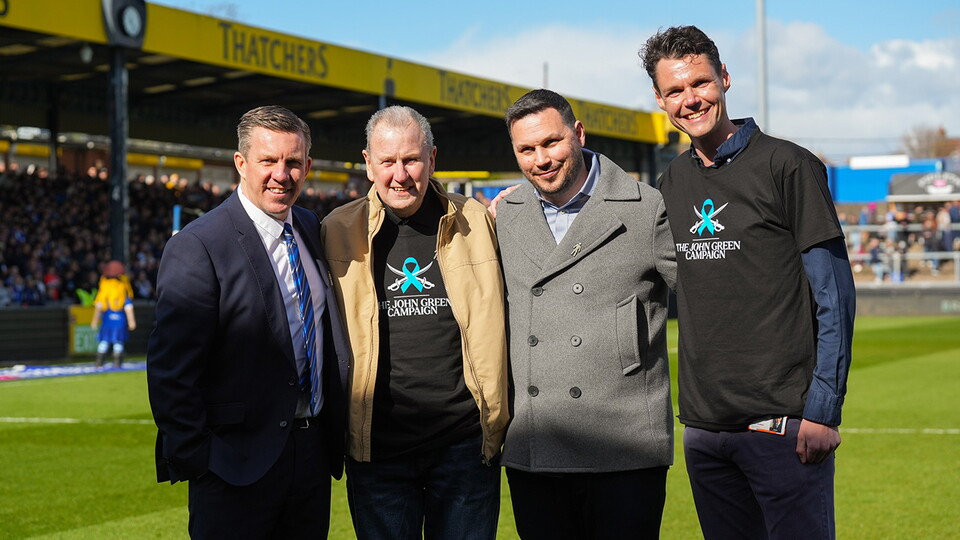
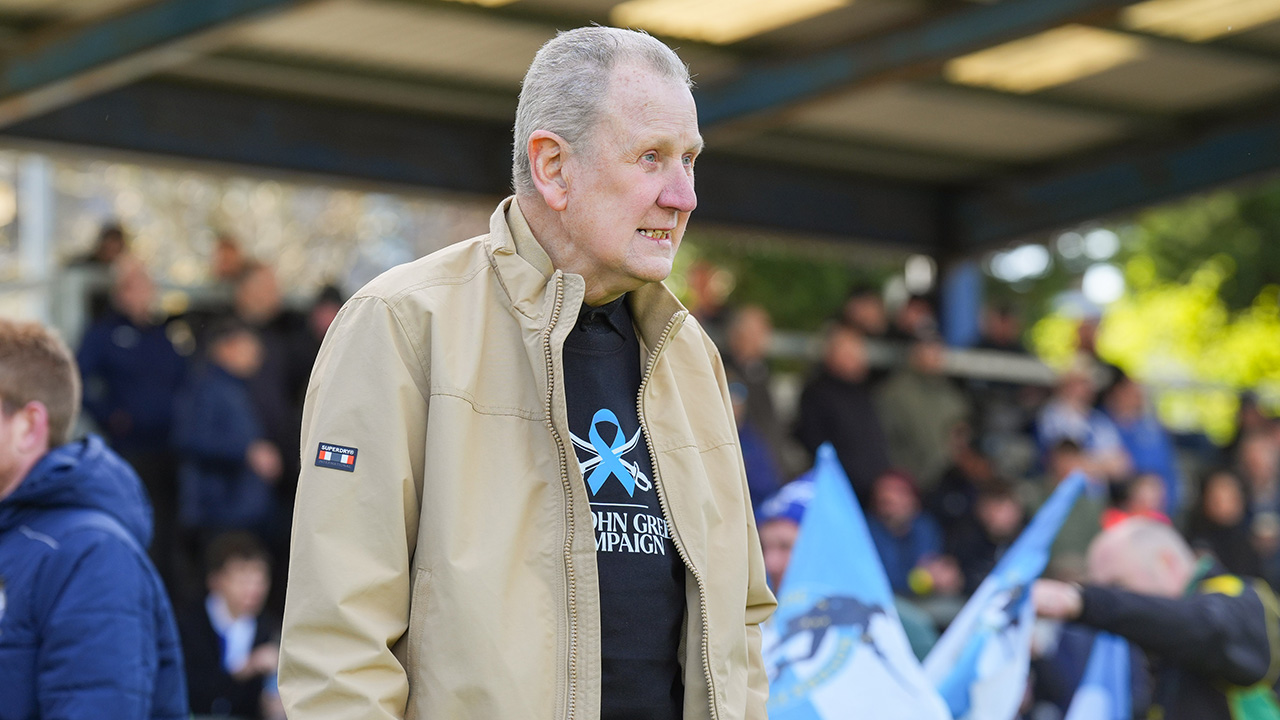
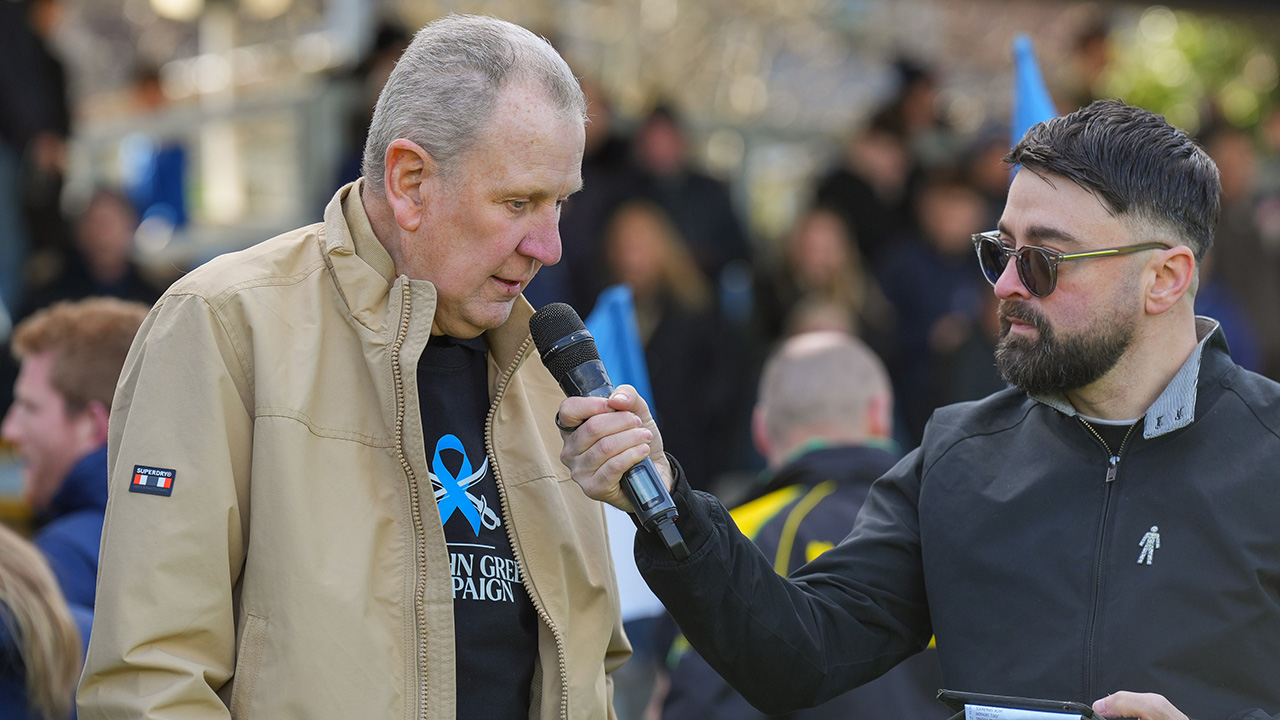
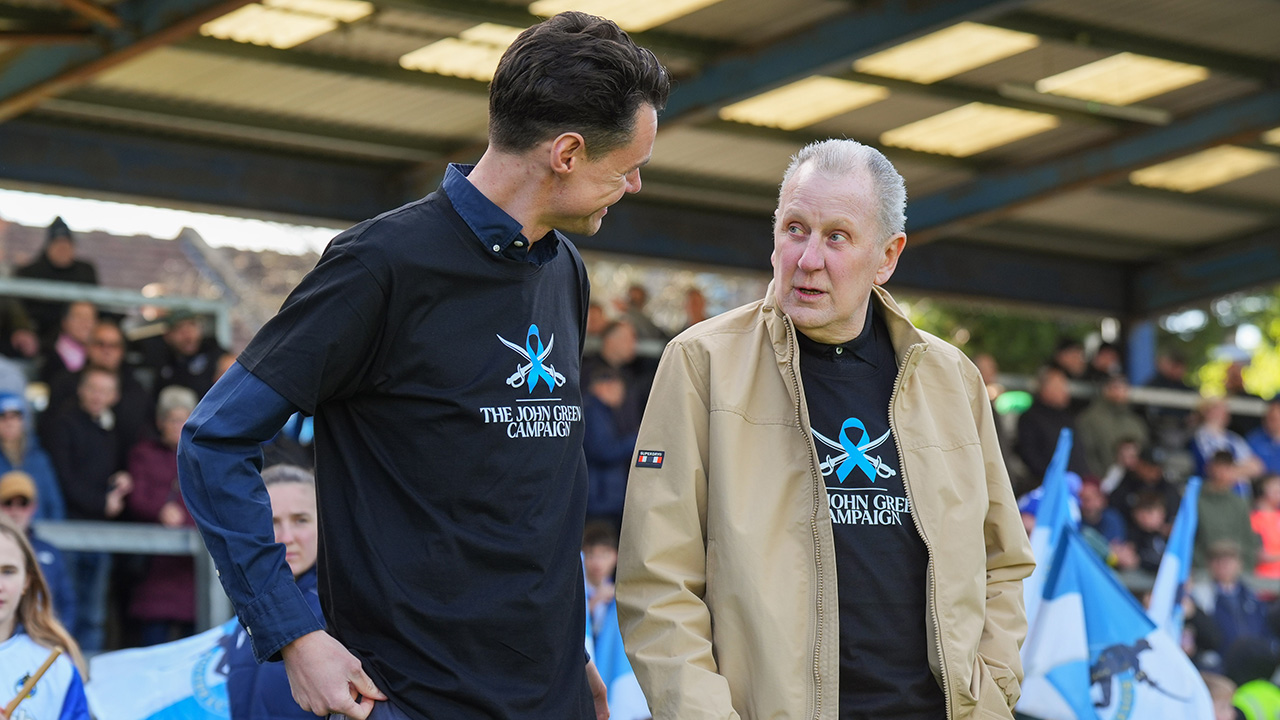
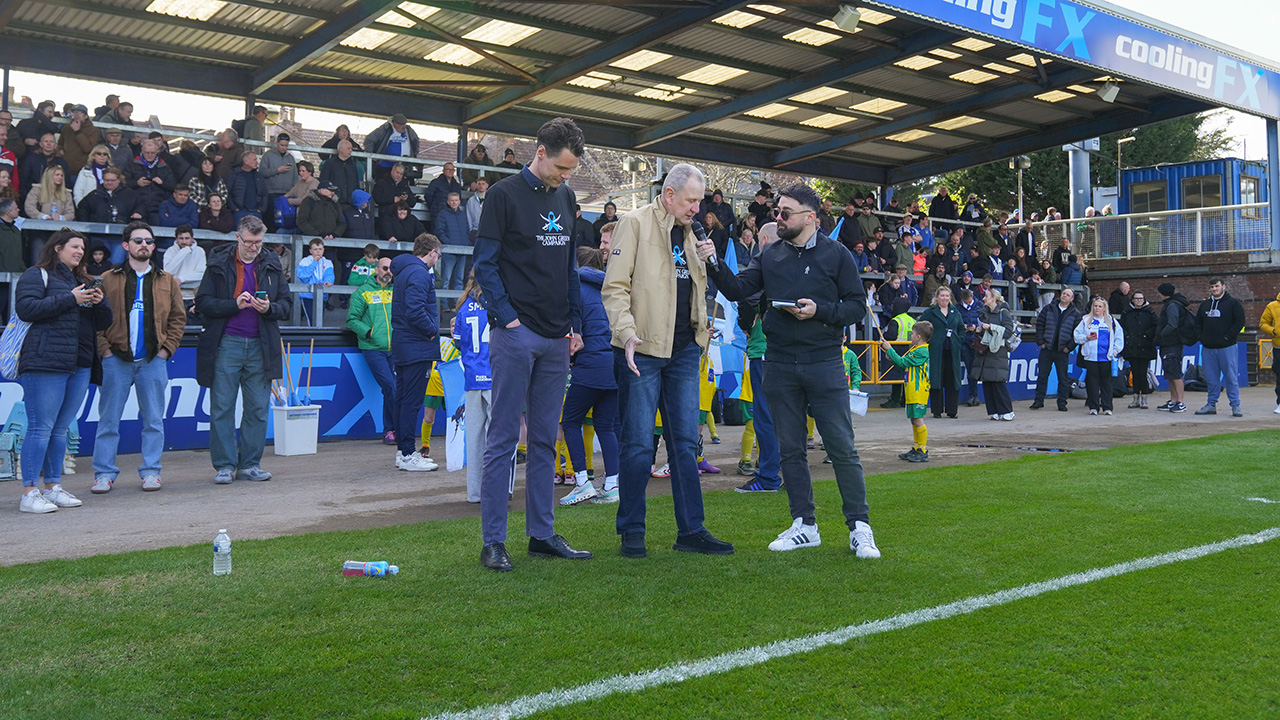
John himself was welcomed pitchside by all in attendance before kick-off where, in a powerful interview with matchday host Lance Cook, he instructed the gathering crowds to get checked for prostate cancer and ask their GPs for a PSA test.
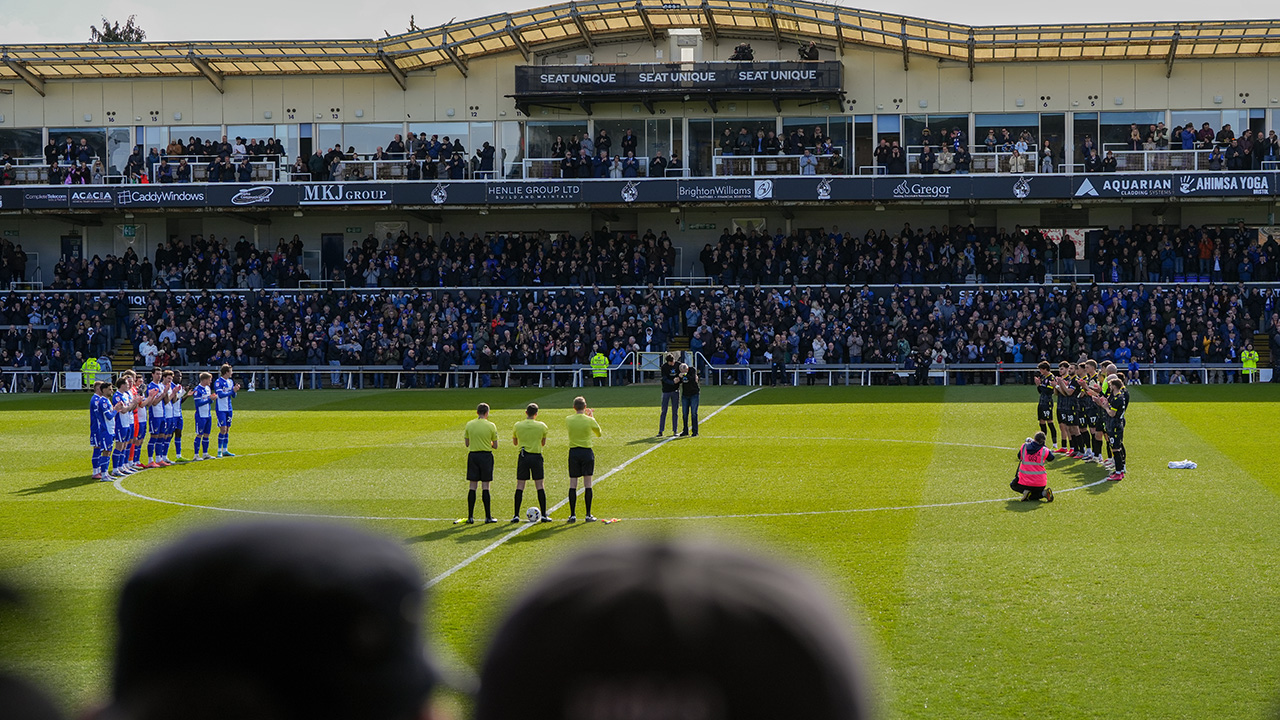
The most powerful moment of an emotional month saw the over 8,800 announced attendance stand in solidarity with John and his campaign; a minute’s noise filling The Mem as a commanding stand against ‘the silent killer’ that is prostate cancer.
John, visibly moved by the love and passion shown by those in attendance, was then embraced by the Rovers starting XI, led by captain Alfie Kilgour, representatives from Accrington Stanley and referee Benjamin Speedie.
An incredible matchday was made even more special for John and his guests as goals from Riley Harbottle and Jack Sparkes ensured a 2-0 win for the Gas.
John said: “The John Green Campaign has been really special and I cannot thank everyone at the Club, the Community Trust and Bristol NHS Group enough for what they’ve done.
“All I wanted to do originally was put out some leaflets and put up some posters, but this campaign will really make a difference.
“To the men, I also want to say: get tested. Please go and ask your GP for a PSA test. One in eight white men will get prostate cancer, a number that goes to one in four for black men. It’s important to get that test and I hope this campaign will show a lot of men that.”
Sam Patel, Hospital Medical Director for North Bristol NHS Trust (part of Bristol NHS Group), said: “We are incredibly proud to have been a part of the John Green Campaign in support of prostate cancer awareness. John’s determination to use his own diagnosis to drive awareness and encourage men to understand their risk is nothing short of inspiring.
“The impact of this campaign will be felt far beyond the stands of The Memorial Stadium, it will lead to earlier conversations, earlier diagnoses and, ultimately, better outcomes. If just one more person is tested, diagnosed and treated, then this will have been worthwhile. We are deeply grateful to everyone who has helped and supported this campaign and look forward to continuing our work with the Bristol Rovers and Bristol NHS Group collaboration."
Prostate cancer is the most commonly diagnosed cancer in the UK, with more than 64,000 people diagnosed each year. For more information on symptoms, diagnosis, treatment and PSA tests, please follow the link here!